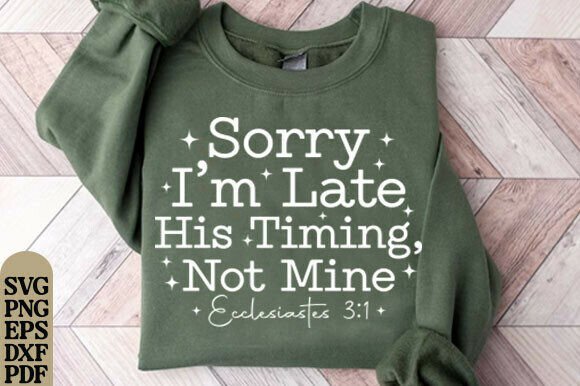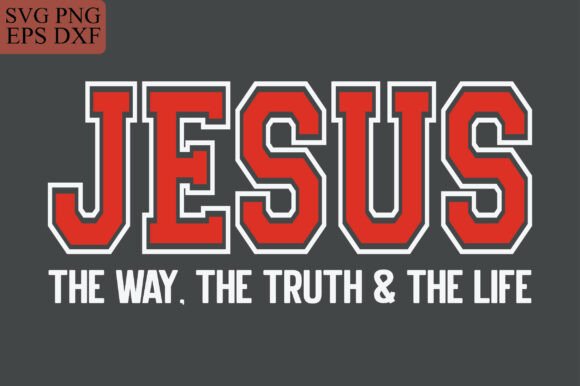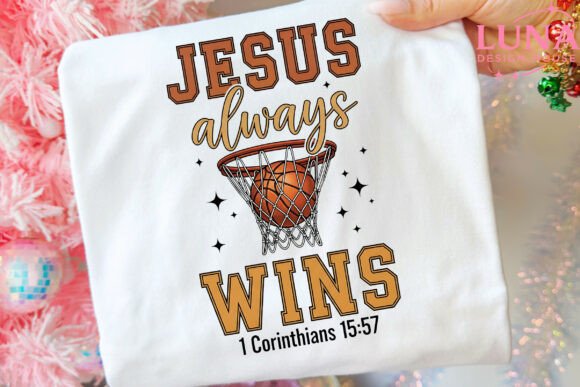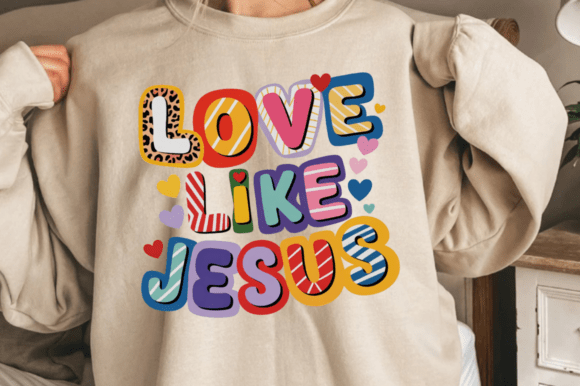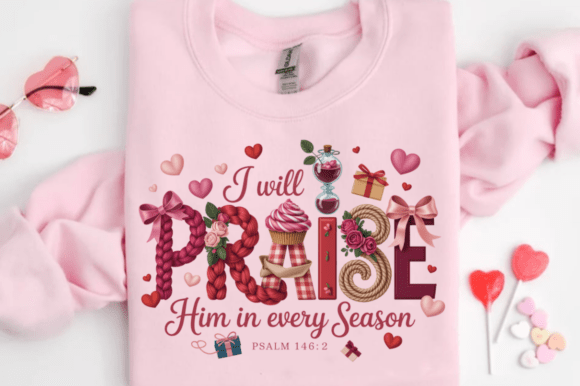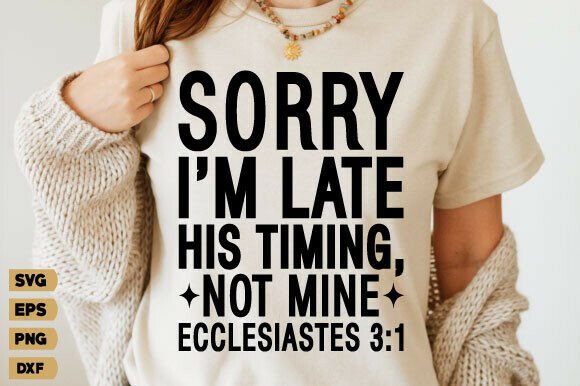
Jesus SVG and PNG: Funny Christian Shirt
A Designer’s First Look—Before the Needle Hits Fabric
When I opened Jesus SVG and PNG, Funny Christian Shirt, my first thought wasn’t “cute” or “trendy”—it was “How will this hold up under thread?” As someone who’s stitched hundreds of faith-based designs onto everything from baby onesies to boutique aprons, I know humor in Christian embroidery walks a fine line: it must land with warmth, not wink too hard. This design leans into lighthearted reverence—a stylized, friendly Jesus figure paired with playful typography and clean outlines. It’s got visual rhythm: balanced negative space, moderate detail (no micro-features), and a layout that reads clearly at 3–4 inches wide. That tells me it’s built for real-world use—not just digital display.
Where It Shines: Real Projects, Real Customers
I tested Jesus SVG and PNG, Funny Christian Shirt as the centerpiece for a custom embroidered canvas tote bag—intended for a local church’s youth group retreat. On medium-weight natural canvas with a light tear-away stabilizer, the satin-stitched outline held crisp definition, and the fill areas stayed smooth without piling or puckering. The design’s open structure meant breathability mattered less than on denser motifs, so it translated well to sweatshirt embroidery too—especially on midweight French terry where heavy stitch density can stiffen fabric.
It also worked surprisingly well on a lightweight cotton tea towel—something many crafters overlook. Because the lettering isn’t ultra-thin and the icon has generous stroke weight, it avoided the “ghosting” effect you get with low-contrast, delicate fonts on absorbent textiles. For Etsy sellers offering personalized gifts, this is a quiet win: it photographs cleanly, scales reliably across mockups, and reads instantly in thumbnail listings. Buyers scanning for “funny Christian shirt” or “light-hearted faith gift” will recognize tone and intent before they even click.
Where to Pause—and Why
This isn’t a one-size-fits-all embroidery file. On stretchy fabrics like jersey knits or thin baby rib knit, I’d recommend adding cutaway stabilizer *beneath* and topping with a light water-soluble layer—especially around curved edges or tight corners in the figure’s halo or hands. Those subtle curves tighten under tension, and without support, satin stitches can skew or skip.
Small hoop sizes (under 4 inches) demand attention too. The original layout fits comfortably in a 5×7 hoop—but if you’re adapting it for a cap front or narrow pocket, avoid compressing the entire composition. Instead, isolate the central icon and simplify the text block. Tiny lettering here isn’t legible in thread; embroidery isn’t screen printing.
Dark fabrics? Yes—but only with high-contrast thread. I ran a test in white poly on navy cotton twill: clean, bold, professional. In ecru on black? Faded, indistinct. And layered garments—like embroidering over a seam or pocket flap—need extra hooping care. The design’s flat silhouette means it won’t visually “fight” texture, but dense fill areas near seams may shift if stabilizer isn’t fully anchored.
What It Adds to Your Finished Product
Jesus SVG and PNG, Funny Christian Shirt doesn’t scream “mass-produced.” Its hand-drawn charm and intentional spacing give handmade products authenticity. When stitched on an organic cotton pillow cover for a nursery, it felt thoughtful—not gimmicky. That matters for boutique branding and small shop products where customers pay more for intentionality.
Customer trust builds when the design delivers what the title promises: gentle humor rooted in familiarity. No inside jokes. No obscure references. Just warm, accessible faith expression—ideal for holiday embroidery (think Christmas market totes), wedding gifts (“Pastor & Co.” versions), or even personalized baby embroidery where parents want meaning *and* levity.
For commercial embroidery projects or digital product sellers, its versatility helps: it works equally well as a machine embroidery design, an applique design base, or a printable mockup asset. But—and this is critical—always confirm licensing terms before selling finished items or reselling the digital embroidery file. Not all T-Shirt Designs include commercial rights by default.
Practical Notes Every Embroidery Designer Should Run Through
- Test first on scrap fabric—especially if using textured weaves like burlap or looped terry.
- Check thread color contrast on both light and dark backgrounds before final hooping.
- Review stitch density: this design avoids extreme density, but zoom in on inner curves—they should flow, not stack.
- Confirm hoop size compatibility before digitizing adjustments or resizing for caps or patches.
- Inspect small details in your embroidery software: are any interior lines too narrow for reliable satin stitch?
- Test in black-and-white mockups—if it loses clarity without color, it’ll struggle on fabric.
- Use proper stabilizer: medium-weight cutaway for knits, tear-away for stable wovens, water-soluble for towels or napkins.
- Verify dual-use suitability: does the license allow both personal stitching *and* commercial embroidery for client work or small batch production?
Final Thought: A Design That Serves the Maker—and the Message
Jesus SVG and PNG, Funny Christian Shirt succeeds because it respects two things: the craft of embroidery, and the sincerity behind the sentiment. It doesn’t ask you to force-fit it into every project—it invites discernment. That makes it valuable for designers, Etsy sellers, and small shop owners who curate rather than crowd their offerings. Whether you’re prepping a custom embroidered sweatshirt for a Bible study group or building a cohesive line of faith-based kitchen textiles, this design earns its place not through flash, but through function, flexibility, and quiet confidence. Use it well—and always let the stitch speak as clearly as the symbol.